Borders, Belonging, and the Politics of Displacement
My research sits at the intersection of border enforcement, forced migration, and state violence. I examine how immigration and asylum policies shape the lives of migrants, deportees, and the communities and organizations that receive them, with a particular focus on the Texas-Tamaulipas border corridor. Working as a feminist activist ethnographer and community-based researcher, I am committed to scholarship that is accountable to the communities it studies and that generates knowledge in partnership with them.
Recent Project
BOOK
Devolution at the Border: The Cycle of Violence and the Erasure of Asylum Under revise and resubmit review, Stanford University Press
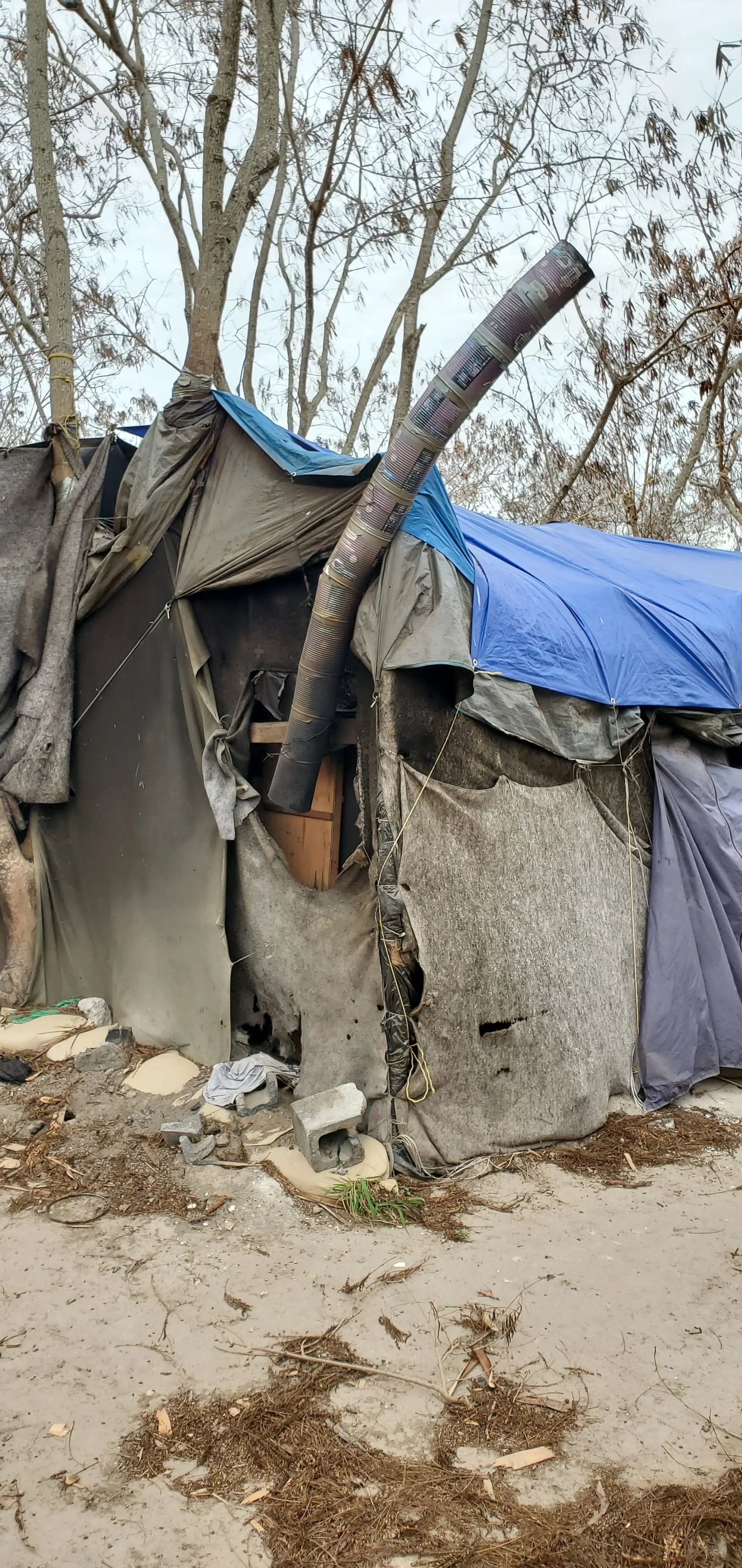
Drawing on five years of feminist activist ethnography in migrant camps in Matamoros and Reynosa, Tamaulipas, this book argues that the dismantling of asylum protections along the Texas-Tamaulipas border is not policy failure but design. Through a cycle of violence and a ratchet effect that systematically narrows the possibilities for protection, the U.S. state has produced a humanitarian crisis that NGOs, migrants, and border communities are left to absorb. Devolution at the Border offers a ground-level account of how asylum erasure happens, who pays the price, and what survival looks like in its wake.
Current Projects
Navigating Uncertainty: How Border NGOs Adapt to Asylum Policy Shifts With Dr. María Verónica Elías (UTSA) and Megan White (NMSU)
As U.S. asylum policy has lurched through cycles of expansion and restriction, the humanitarian organizations working along the border have had to adapt, often without resources, guidance, or recognition. This ongoing ethnographic study examines how NGOs on the Texas-Tamaulipas corridor navigate political backlash, funding instability, and shifting legal landscapes while continuing to serve asylum seekers. A related article, co-authored with Dr. Elías, is published in the Journal of Borderlands Studies (2025).
Infrastructure, Health, and Community in Border Colonias With Solidarity Engineering, Rio Grande Valley and Doña Ana County
In partnership with Solidarity Engineering, this community-based participatory research initiative examines infrastructure conditions, health outcomes, and resource access in colonias along the Texas-New Mexico border. The project is grounded in a commitment to research that is co-designed with communities rather than conducted on them, and contributes to the development of a transferable methodological framework for CBPR with transborder communities.
Dignity Kitchens and the Politics of Temporariness
This project examines how restrictive immigration policies shape the material and social conditions of migrant camps, with particular attention to communal kitchens as sites of dignity, care, and political claim-making. The work is part of the Migration across the Americas workshop series, a transnational scholarly collaboration aimed at recentering Latin American and border migration within mainstream migration scholarship. A paper from this project is in preparation for a special issue of the Journal of Ethnic and Migration Studies, expected 2028.
Earlier Work


